Why AI Living Room Design Is Changing Home Decor
Your living room is the heart of your home—where you unwind after work, host friends for game nights, and make countless memories with family. Getting the design right matters, but traditional interior design comes with expensive consultations, endless Pinterest scrolling, and guesswork about whether that sofa color will actually work in your space. AI living room design eliminates the uncertainty.
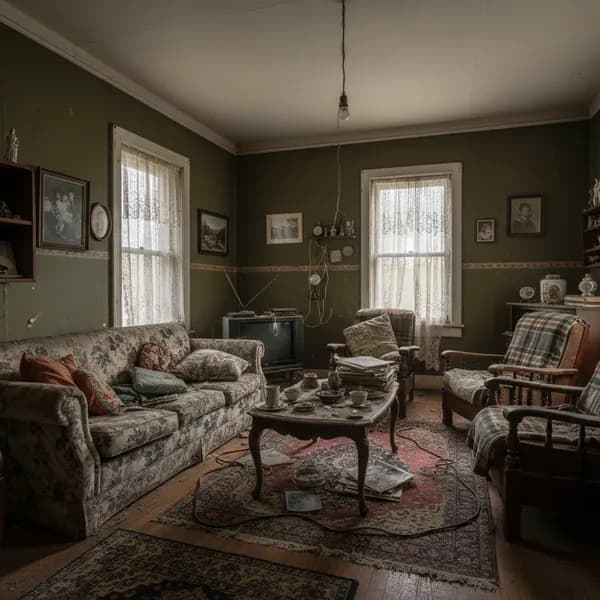
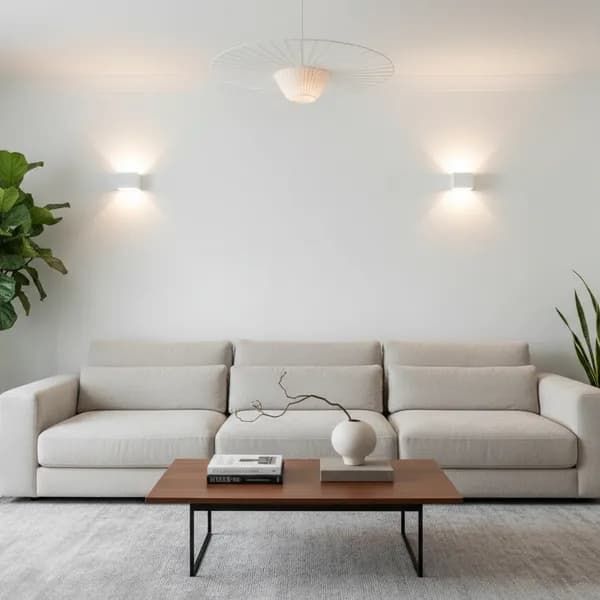
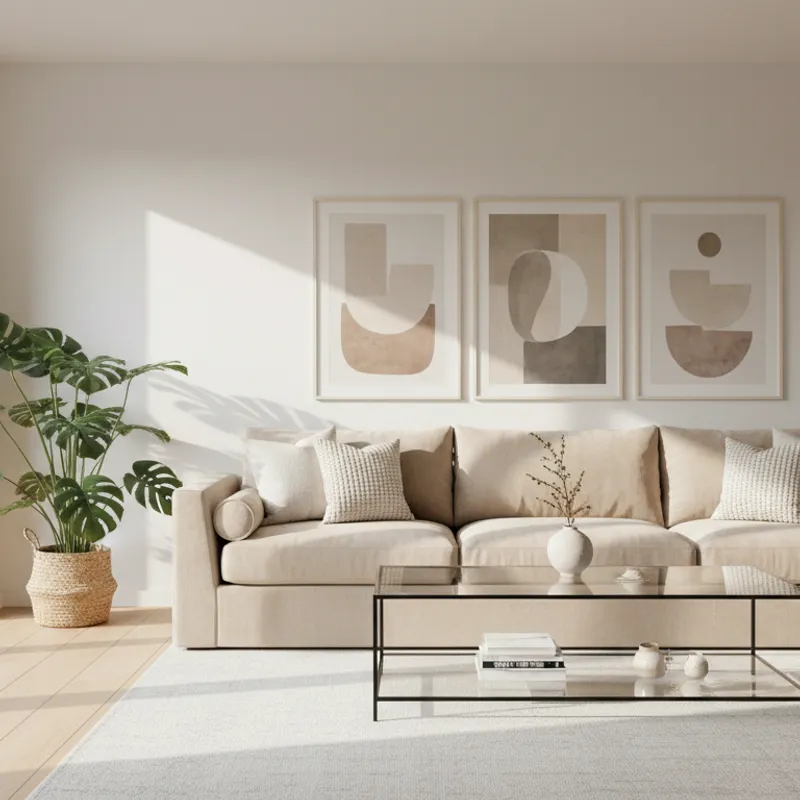
With DecorAI's living room planner, you simply upload a photo of your current space and receive instant, photorealistic transformations. Want to see how a Scandinavian minimalist aesthetic looks with your existing layout? Done in 10 seconds. Curious if navy walls would make your small living room feel cramped? Test it risk-free before buying paint. Wondering whether a sectional or two sofas work better? Compare both arrangements side-by-side instantly.
The AI understands your room's unique characteristics—natural lighting, dimensions, architectural features—and designs accordingly. It's like having a professional interior designer who knows your exact space, works at lightning speed, and costs nothing. You maintain creative control while gaining expert-level visualization capabilities that were previously available only to designers with expensive 3D rendering software.
Real estate agents use DecorAI to virtually stage empty living rooms, helping buyers envision the potential. Homeowners planning renovations test expensive decisions before committing. Renters experiment with furniture arrangements without the back-breaking work of moving heavy sofas. Whether you're working with a cramped apartment living area or a spacious great room, AI design tools adapt to your specific needs.
From testing bold accent walls to previewing different furniture styles, AI living room design puts professional-quality visualization in your pocket. No more expensive mistakes. No more wondering "what if." Just upload, design, and transform your space with confidence. Your dream living room is closer than you think—and it starts with a single photo.